
J.P. Morgan: AI Boom Supports US Stocks Rally; Hold Risk Assets in H2 2026
J.P. Morgan's asset management arm is urging investors to continue holding stocks and other risk assets through the second half of 2026. The firm says that despite persistent inflation and the Fed holding rates steady, the AI investment boom and consumer resilience will sustain the US economic expansion.
Growing concerns that the sharp rally in US stocks this year leaves them vulnerable to a pullback, while the institution, which manages $4.3 trillion in assets, points to rising economic momentum as companies increase spending on AI infrastructure. At the same time, high-income consumers continue to spend, supported by the wealth effect from rising stock and home prices.
In its mid-2026 outlook, J.P. Morgan Asset Management says bonds are becoming attractive again due to high yields, and emerging markets are increasingly linked to the Asian chip supply chain. For diversification, it recommends defensive investments such as real estate, infrastructure, and transportation, while also directing investors to European and Japanese markets.
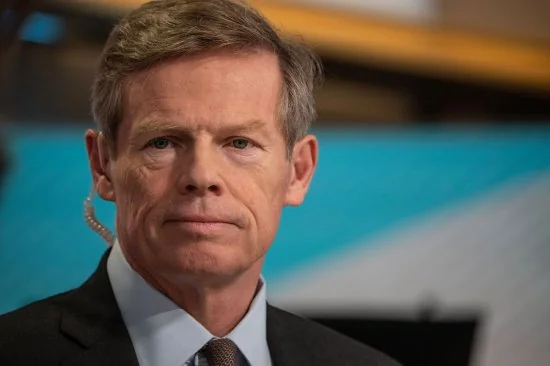
David Kelly, Chief Global Strategist at J.P. Morgan Asset Management, says: "For the base case, the good news is that we expect the economy to strengthen in mid-year." He notes that this growth momentum will partly benefit from income tax refunds and AI-related spending.
Kelly says whether the economy maintains growth in Q4 depends on additional fiscal stimulus from Washington, and his team's baseline is that Democrats will regain control of the House, limiting prospects for stimulus in 2027.
"For Americans, it's a decent economy; for the stock market, it's a great economy," he says. "What really matters for stocks are profits and interest rates. And profit growth has been remarkable."
Despite high inflation, the US economy remains strong. Consumer prices rose 4.2% year-over-year in May, the fastest in three years. However, Kelly expects inflation to ease through the rest of 2026 and into 2027 if tensions around the Strait of Hormuz are durably resolved. Lower energy costs, moderating housing-related inflation, and controlled wage growth should help curb price increases.
"We don't predict a recession," he says. "The wealth effect and AI boom are driving the economy."
On rates, the team sees no rate hikes from the Fed for the next two years. Kelly adds the central bank could even cut rates next year.
Kelly says the 2026 investment landscape will feature a tension between rising political and economic risks and sustained AI-driven spending supporting the economy.
"That sums up the economic and financial market environment we are in mid-2026," Kelly says, with many intertwined factors including overvalued markets, economic nationalism, political polarization, Middle East conflict, and immigration and tariff risks.
J.P. Morgan Asset Management says investors should hold risk assets in H2 2026.