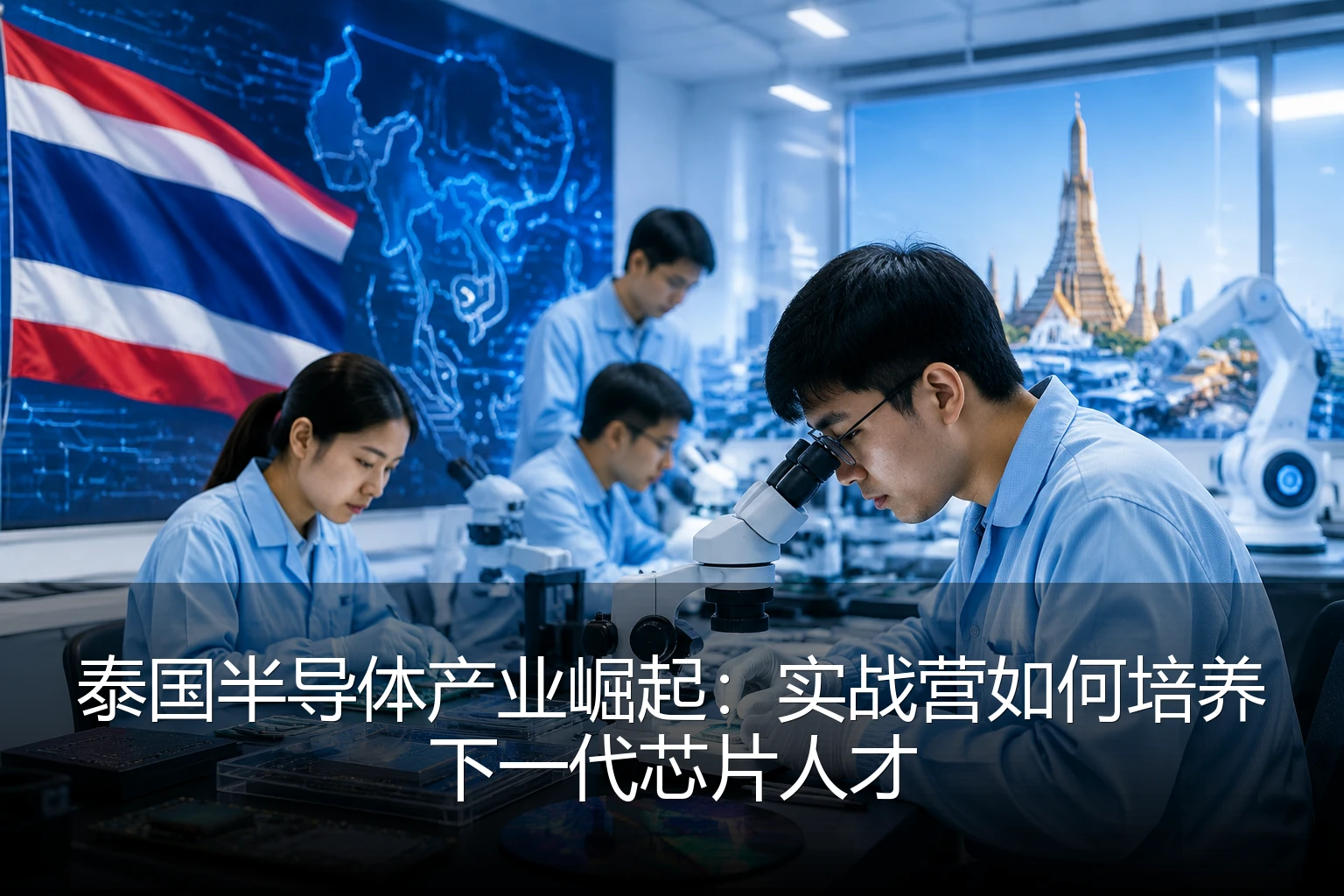

On July 25, 2026, SEMI and Shanghai Micro Electronics Equipment Group (SMEE) officially announced the joint launch of the 'Semiconductor Bootcamp' training program in Shanghai. The program targets fresh graduates and professionals looking to transition into the semiconductor industry, offering a full-time 6-month hands-on chip manufacturing process course aimed at solving the current talent shortage in China's chip manufacturing sector.
Program Background and Motivation
In recent years, with the explosive growth of emerging technologies such as AI, 5G, and IoT, global chip demand has been rising. China, as the world's largest semiconductor consumer market, still has a chip self-sufficiency rate of less than 20%, especially relying on external technology in advanced manufacturing. Ju Long, President of SEMI China, pointed out at the press conference: 'China's semiconductor industry is facing a bottleneck, but the more urgent issue than technology blockade is the talent gap. According to SEMI statistics, by 2027, China's chip manufacturing sector will face a skills gap of over 100,000 people.' Zhang Jianping, Deputy General Manager of SMEE, a leader in domestic lithography machines, added: 'The bootcamp's original intention is to transform industry experience into systematic courses, allowing trainees to master key technologies in a real production line environment, shortening the adaptation period from campus to workplace.'
Course Content and Features
The bootcamp curriculum covers the entire chip manufacturing process, including key modules such as lithography, etching, thin-film deposition, ion implantation, and chemical mechanical polishing, with a special addition of a hands-on domestic equipment section. Trainees will have the opportunity to directly operate SMEE's latest SSA/800 series lithography machines and supporting etching equipment, which is extremely rare in previous training programs. Additionally, the course introduces a virtual simulation platform where trainees can perform process parameter optimization and defect analysis in a digital twin environment, enabling blended online and offline teaching.
The program lasts 6 months: the first 2 months focus on basic theory, the middle 3 months on production line rotation training, and the final month on project-based assessment. Those who pass will receive a joint certificate from SEMI and SMEE, and be given priority recommendations for jobs at partner companies. The first batch plans to enroll 60 trainees, with tuition fully waived and accommodation and meals provided by the program, but trainees must sign a 2-year targeted employment agreement.
Industry Reactions and Expert Insights
After the announcement, the industry responded enthusiastically. Li Ming, HR Director of SMIC, said: 'We very much welcome this industry-education integration model. In the past, newly hired graduates often needed half a year to a year of retraining; bootcamp graduates are expected to be job-ready.' Professor Wang Zhihua from Tsinghua University's Institute of Microelectronics believes the program's biggest highlight is 'hands-on operation with real machines.' He pointed out: 'Domestic equipment differs significantly from foreign equipment in operation logic and process windows; only through extensive practice can one truly master it. In the past, school lab equipment was outdated and couldn't match industry needs; the bootcamp fills this gap.'
However, some experts questioned the program's sustainability. Independent semiconductor analyst Chen Qiming said: 'A scale of 60 people is a drop in the bucket for the huge gap, and the targeted employment agreement may limit trainees' long-term development. If the program can expand enrollment and involve more companies, the effect would be more significant.' In response, SEMI stated that the first phase is a pilot, and if successful, plans to expand to 500 trainees per year over the next three years, and consider cooperation with more equipment suppliers and wafer fabs.
Impact on Investment
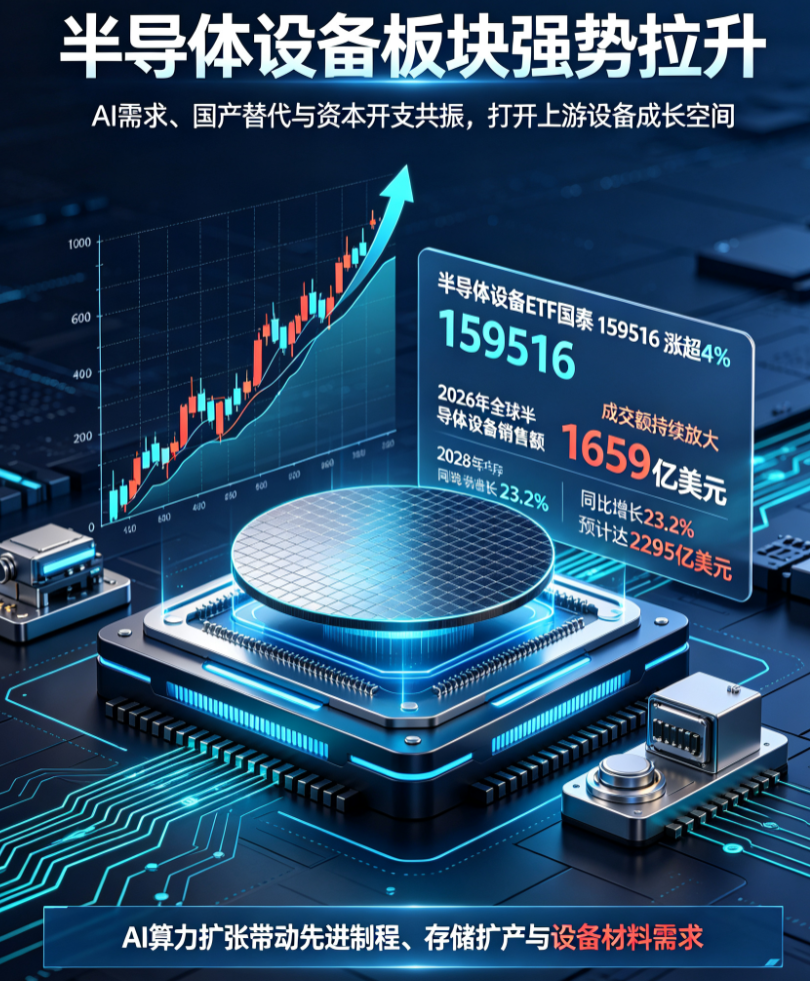
From a capital market perspective, the new semiconductor talent training policy is a long-term positive for the entire industry chain. Increased talent supply helps reduce wafer fab operating costs, improve yields, and thus enhance the competitiveness of domestic chips. SMEE, as a leading equipment manufacturer, participation in training will strengthen brand recognition and customer stickiness, and future equipment sales may benefit from the 'talent-equipment' bundling effect. In the secondary market, on July 26, the semiconductor equipment sector index rose slightly by 0.8%, with SMEE concept stocks leading the gains. Investors can continue to pay attention to industry-education integration related education targets and the domestic equipment substitution theme.
Conclusion
The launch of the Semiconductor Bootcamp is not only an innovation in training models but also an evolution of the industrial ecosystem. When 'chip making' and 'talent cultivation' resonate together, the talent root of China's semiconductor industry will become increasingly strong. As SEMI's Ju Long said: 'We cannot wait for the wind; we must create our own wind. The bootcamp is that wind, allowing more young people to join the wave of chip power.' Whether this industry-education consortium can become an accelerator for China's semiconductor rise remains to be seen.